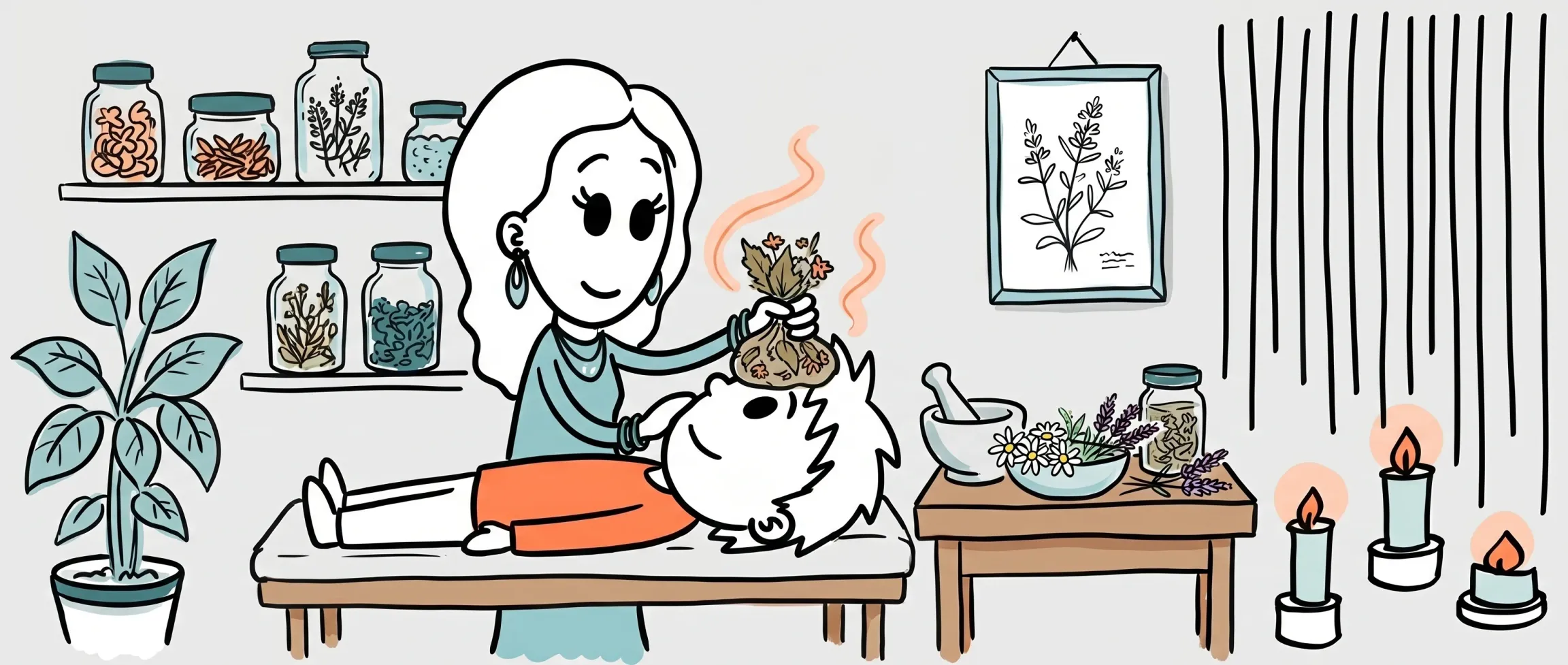
Can the plants in your garden help you sleep better?
Do you have trouble letting go of thoughts and settling down in the evening? You're not alone. Millions of Danes struggle with sleep problems, stress and imbalances in the body. But the solution may be hiding in nature's own pharmacy – or even in your own garden.
Herbal therapy, also known as phytotherapy, is the use of medicinal herbs to support health, restore balance and treat diseases. It's not just a new trend – on the contrary, modern herbal therapy builds on a long and unbroken history that stretches back several thousand years.
What actually happens in your body during herbal treatment?
When you drink a cup of chamomile tea or take an herbal extract, something fascinating happens in your body. Plants contain a wide range of bioactive substances that can have various effects on the body. These natural substances work together with your body's own systems in a very special way.
In herbal therapy, the body is seen as a whole, where imbalances can affect various organs and systems. The treatment aims to strengthen the body's natural defense mechanisms and promote harmonious function of the immune system, nervous system, digestion and hormonal balance.
The herbs contain, among other things:
- Alkaloids: Have a powerful physiological effect on the nervous system. Examples: Caffeine (stimulating), morphine molecules (pain-relieving)
- Flavonoids: Strong antioxidants that protect cells from damage. Found in citrus fruits, berries and green tea
- Essential oils: Have antimicrobial and relaxing properties
Why are more Danes choosing nature's way?
It's not just a feeling – something concrete happens when you choose herbs over synthetic medicine. Herbs contain a wide range of bioactive compounds that can affect the body's systems and support health without the side effects often seen with synthetic medicine.
Modern research confirms what our grandparents always knew. Extensive research is taking place worldwide into the effects of medicinal plants, and education in phytotherapy as a form of treatment is gaining more and more ground.
What problems can herbs actually help with?
You might be surprised by how many everyday ailments herbs can relieve:
Sleep and nervousness
Herbs can have a calming effect on the nervous system and help reduce stress, anxiety and sleep problems: Lavender – Has a relaxing and sleep-promoting effect. Valerian – Used for insomnia and nervousness.
Digestive problems
Do you often have an upset stomach or feel bloated? Herbal therapy can regulate digestion and remedy problems such as bloating, constipation and acid reflux: Peppermint – Relaxes intestinal muscles and relieves irritable bowel. Chamomile – Soothes the stomach and reduces inflammation. Dandelion – Stimulates liver function and promotes detoxification.
Immune system and colds
Several herbs can support the immune system and help the body fight infections: Echinacea (purple coneflower) – Strengthens the immune system and shortens the duration of colds. Garlic – Has antibacterial and antiviral properties. Ginger – Strengthens the immune system and reduces inflammation.
Is there science behind the herbs?
You might think: "It sounds too good to be true – but does it really work?" The answer is both yes and no, and it's about being critical and realistic.
Many herbs used in herbal therapy have solid scientific documentation behind them. Examples include: Echinacea – Has been shown to reduce cold symptoms. St. John's wort – Used for mild to moderate depression with documented effect. Ginkgo biloba – Used to improve blood circulation and cognitive function.
But be aware: The phenomenon is called publication bias and is well known in all kinds of clinical trials, but particularly in studies of herbal medicine. The bias often manifests itself in connection with so-called meta-analyses, where the researchers behind the analyses preferentially choose to include studies with positive results.
What can you expect at your first visit?
When you book an appointment with an herbal therapist, you're not just handed a package of herbs and sent home. The first consultation with a phytotherapist often lasts up to two hours. The phytotherapist will inquire about the problem the client is presenting with. To form a picture of the client's situation, the phytotherapist typically asks about: ... Based on the conversation and possibly a blood or iris analysis, the phytotherapist composes a treatment with the plants and possibly supplements, dietary and lifestyle changes that the therapist believes fit the client's needs.
Based on your answers and a conversation with you, I create an easily understandable treatment plan that is tailored to your personal needs. After 1-3 months, we have a follow-up conversation where we evaluate your results.
How quickly do the herbs work?
Everyone asks that question – and the answer depends on what you're being treated for. I select the medicinal plants that suit your needs, so you quickly achieve positive results. But "quickly" is a relative term.
For acute problems like colds, you can often notice a difference within a few days. Echinaforce contains extract from fresh Purple Coneflower plants and works best, as mentioned, when the first signs of a runny nose appear and then the first few days.
Chronic problems like sleep disorders or digestive problems require more patience – often 4-8 weeks before you feel the full effect.
Are there risks with herbal therapy?
Although herbs are often milder than medicine, it doesn't mean they're harmless. Although herbal medicine is often considered milder than synthetic drugs, some herbs can interact with medicine and cause side effects.
This is precisely why it's important to choose a qualified herbal therapist. A safety that is also about knowing how medicine and natural methods interact with each other, so that unnecessary and inappropriate side effects do not occur.
What should you do now?
If you're considering herbal therapy, the first step is to find a qualified practitioner. An herbal therapist ibm can support you in maintaining, relieving, optimizing and regulating the body's organ systems. All practitioners with the protected title herbal therapist ibm share common subjects with biopaths and naturopaths.
Remember: Herbal therapy is not about replacing your doctor, but about supplementing your healthcare in a natural way. Most natural remedies have no unpleasant side effects. This enables your body to heal in a natural way.
Maybe it's time to let nature's pharmacy help you find balance in your everyday life?